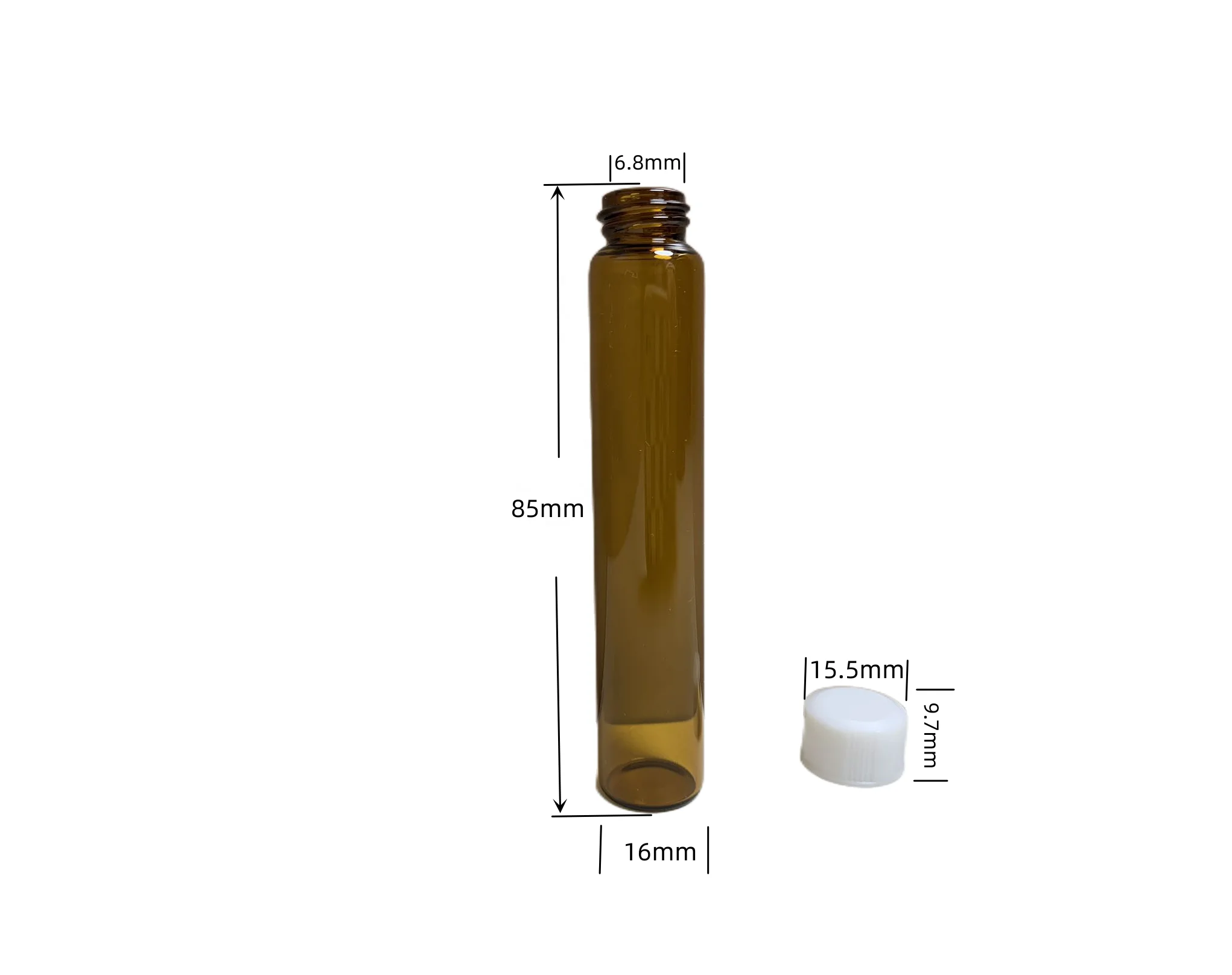
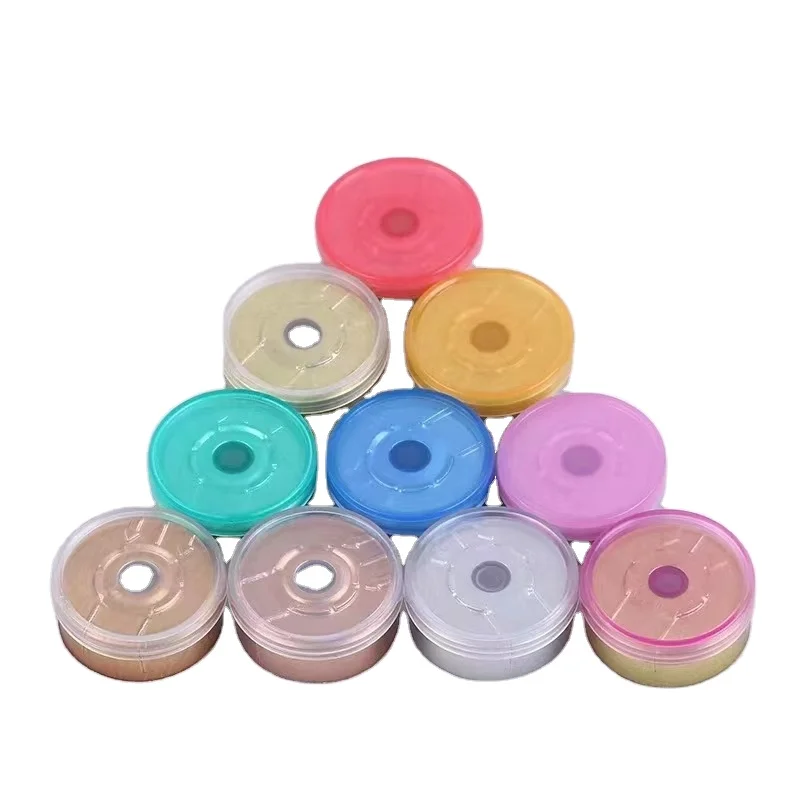
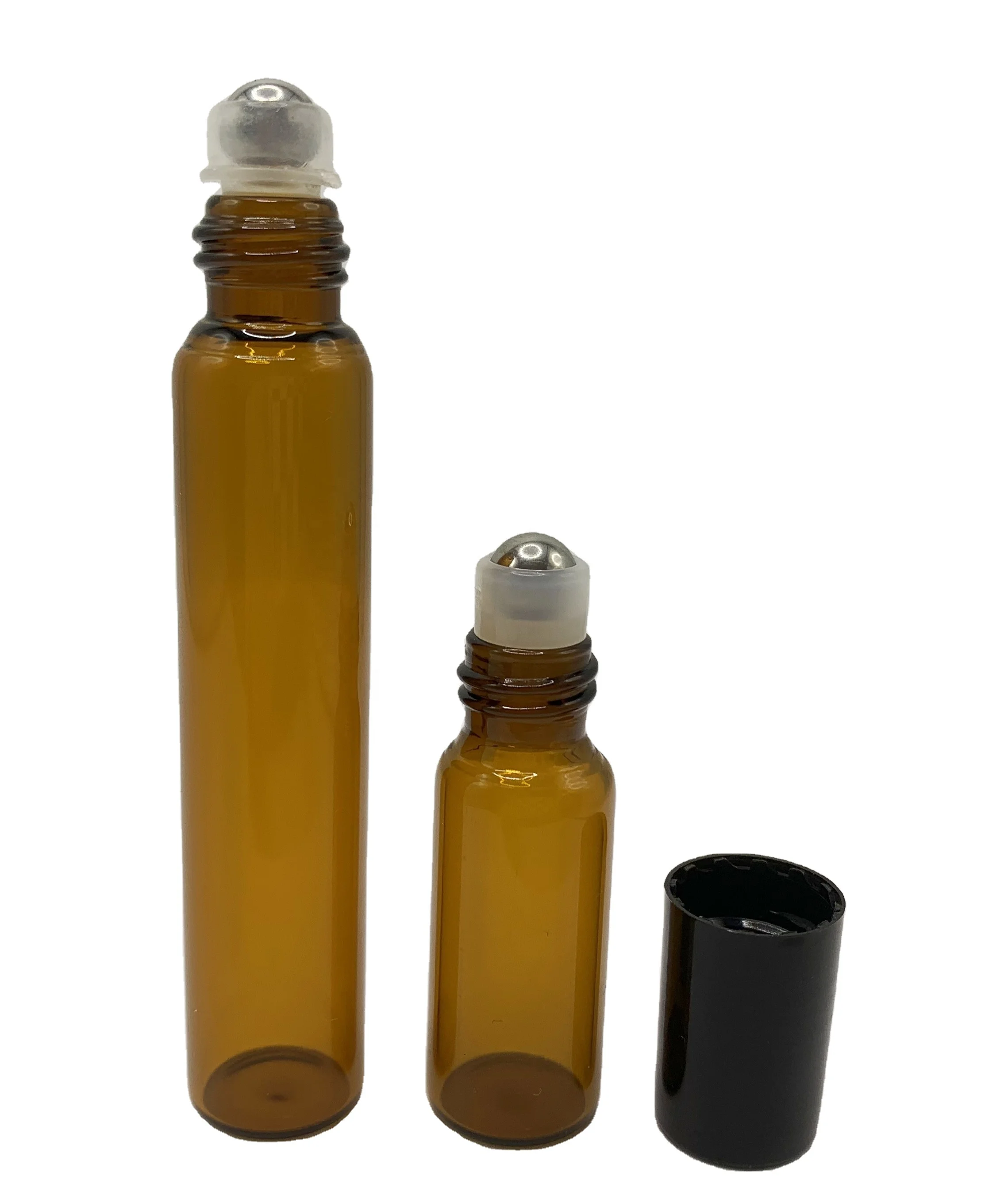
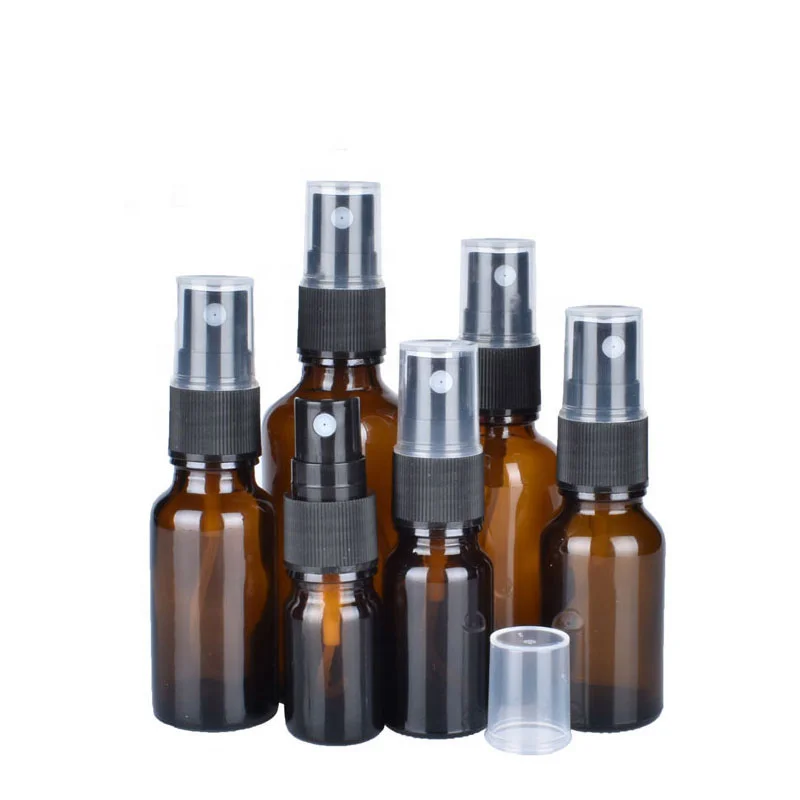
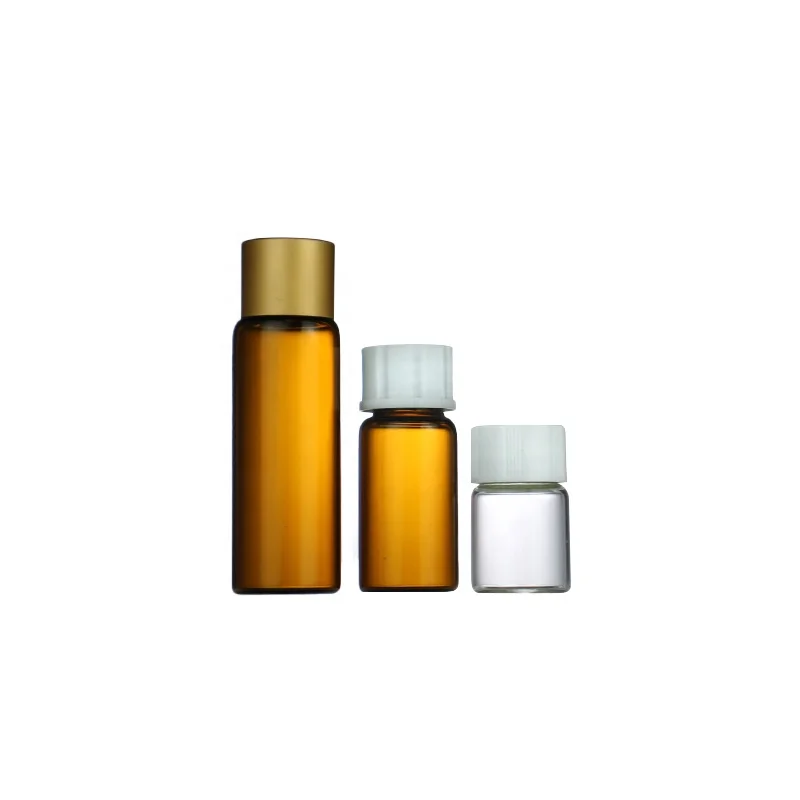
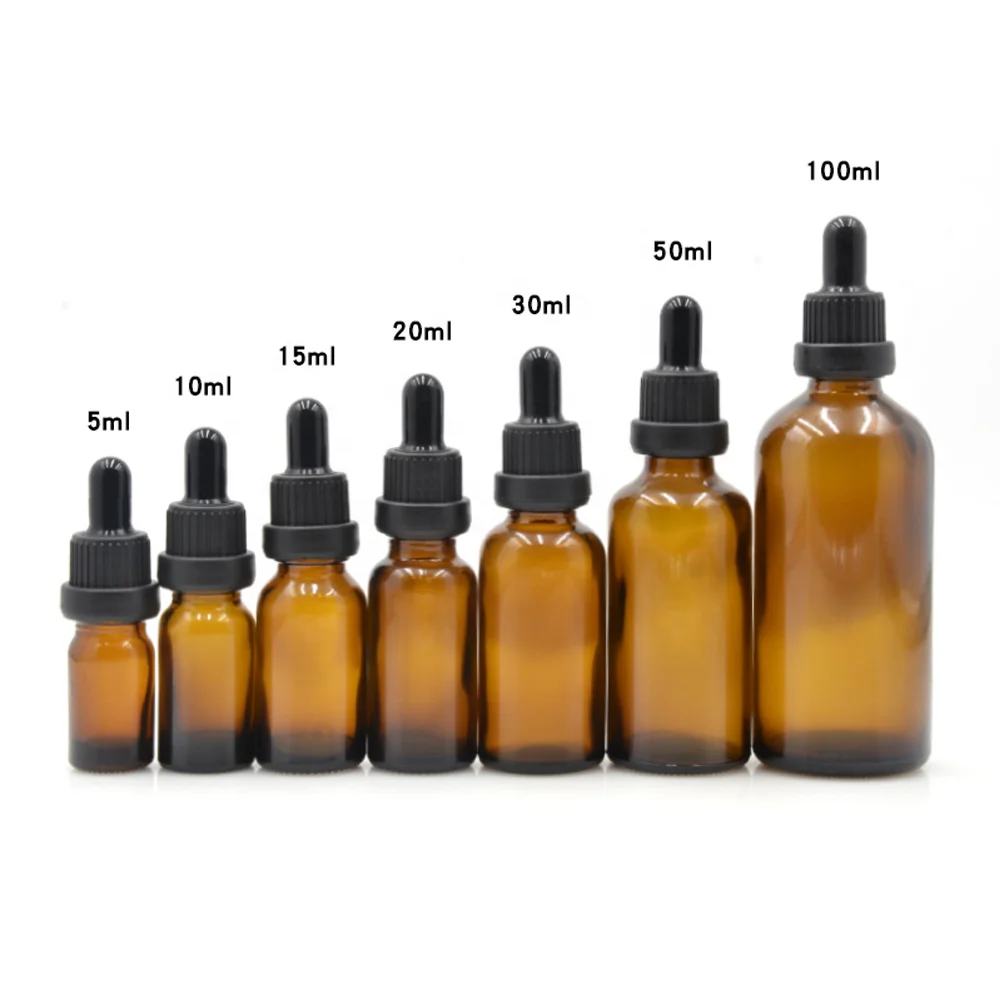
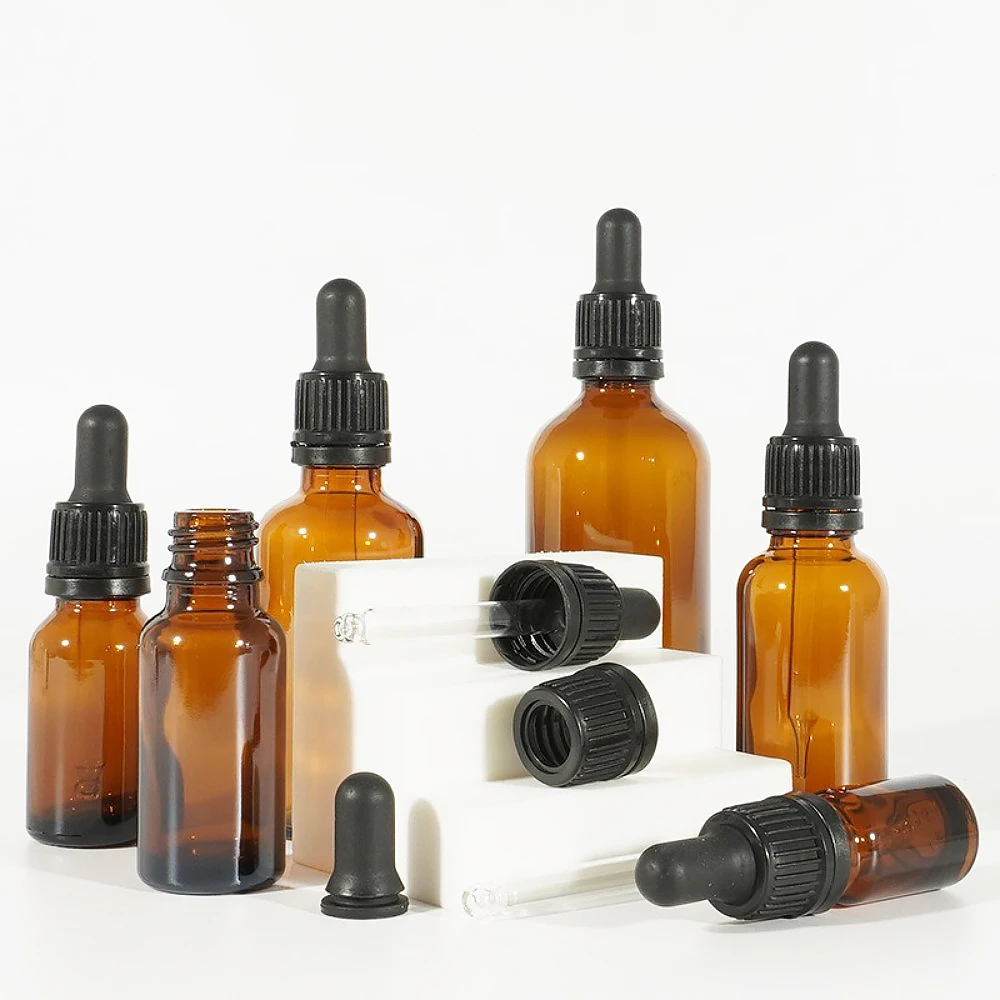
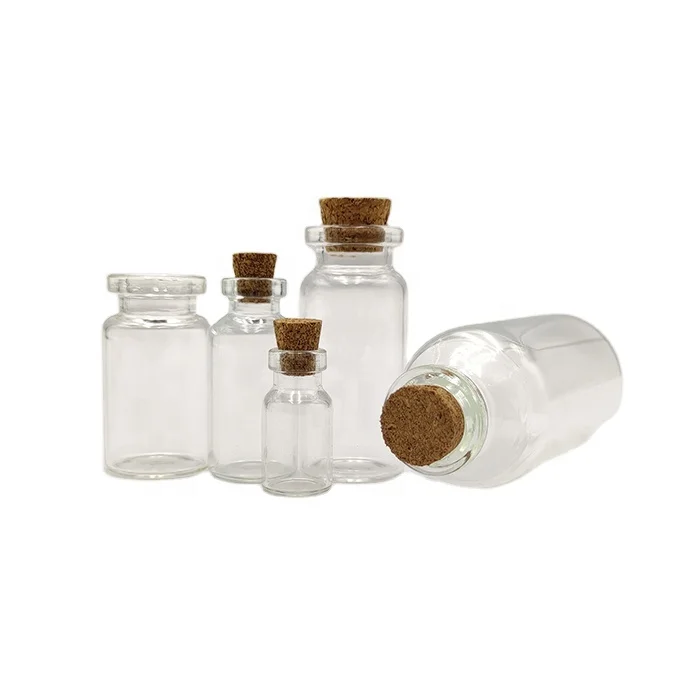
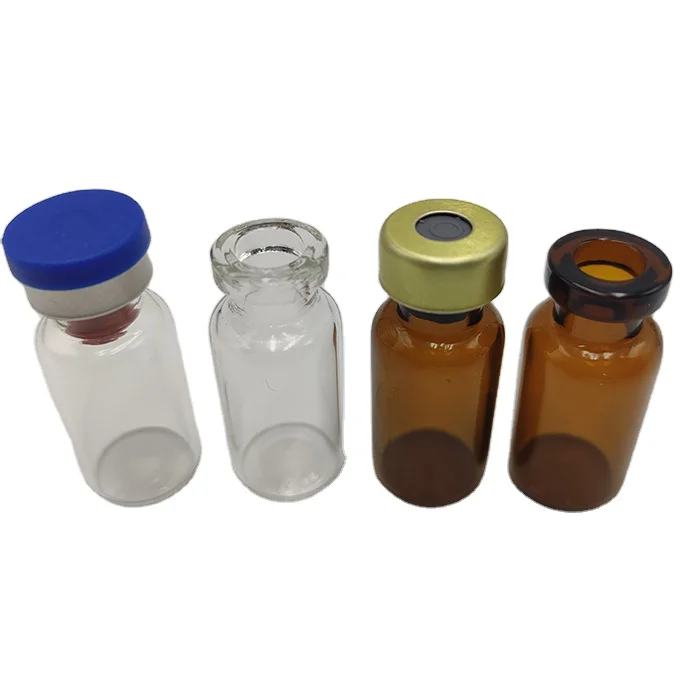
Did it ever make you feel curious about what are those small bottles hanging on their poles in the hospitals and clinics? These are the IV bottles that have an important function of administration medication and providing nourish directly to a patient's bloodstreams. Not only at hospitals, but even homes and outpatient services are dependent on IV bottles for delivering required care to patients.
Today, in our article we will explore a wide range of medical uses xinde IV bottles to create awareness about the same. We will include information on the improvements in IV bottle technology that has made them more effective as well as safer for patients and health care providers. Safety precautions should be taken with Infusion Bottle to protect the health of patients.
IV bottles are also keeping countless benefits. One of the biggest benefits is that it allows you to get medication and fluids into your bloodstream very quickly. This is also a method of taking fast decision other modes lacks to reach. Patients can take the portable abilities of medications bottle anywhere they need care - whether at home, in an outpatient setting or elsewhere.
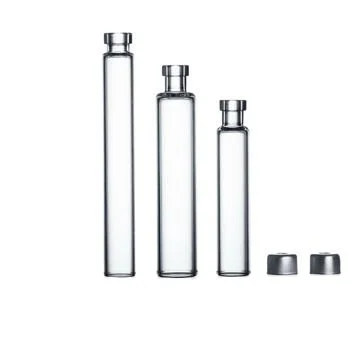
In the past few years, xinde IV bottle technology has improved quite a bit - notably with self-regulating bottles being one of the major breakthroughs. Embedded sensors keep track of how fast (or slowly) medication is administered, adjusting in real-time to provide exact dosages. These Injection Vials increases the safety of patients as well and controls errors in drug administration.
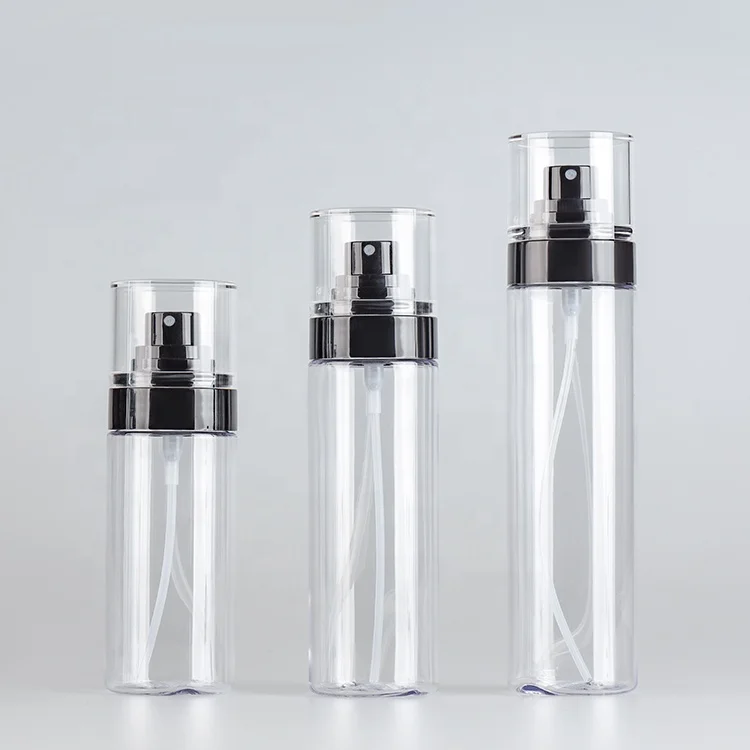
These IV bottles are created specially with patient safty in mind. Some of them are even safe in terms of the material and guarantee washable so there is much less risk for contaminants. IV bottles are designed with certain protected features and anti-infective systems to make sure their content is not contaminated or fractured. There are strict rules about keeping the Tubular Vials and tubing sterile that healthcare facilities must follow with medication administration.
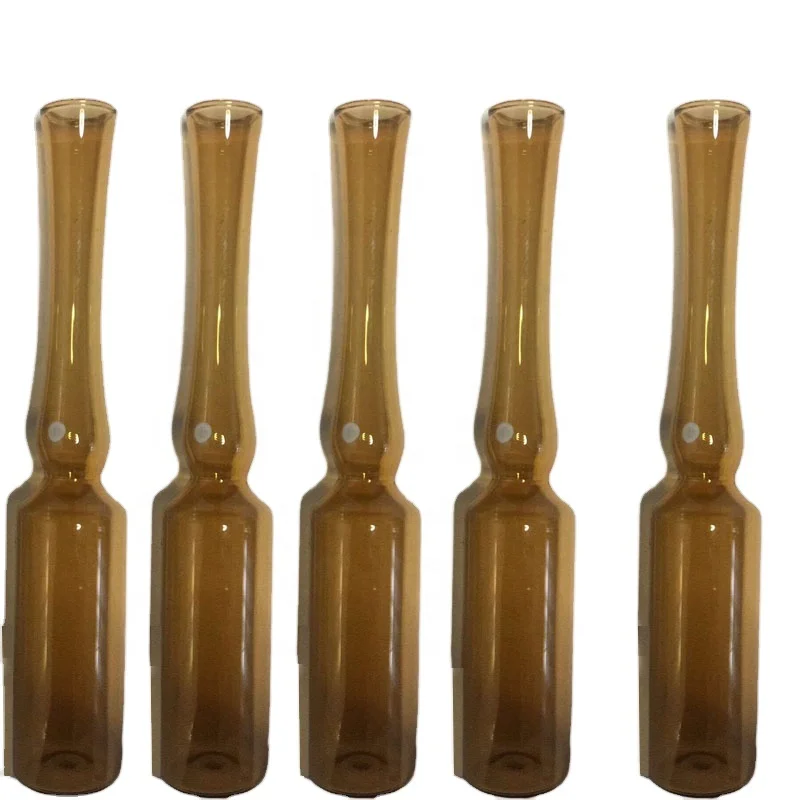
An understanding of the subject and experience are needed when dealing with IV bottles. Healthcare workers will have to be skilled in how to populate the xinde IV bottle and tubing, set the flow rate correctly as well as checking patients for side effects. Additionally, patients themselves have a part in this by being educated on the procedure and reporting any discomfort or unusual symptoms to their healthcare provider as soon as possible.
products have received CE, FCC, SGS other certifications. We conduct incoming inspection well as production inspection and offline inspections one a time. We have separate QC unit for each of the components of Iv bottles. We offer different warranty conditions different products. Specific warranty terms specific products are available.
Quality is most crucial element to success. Integrity is key to partnerships that are double-win. With high credit Iv bottleswith top-quality products, service system and a competitive pricing policy, sincerely look forward to building lasting sustainable, long-term strategic business relationship you.
adhere to strict quality control, we strive for precise product quality. We Iv bottleslearning new technologies at home as well as abroad, increase the quality of its products.
Through long-lasting international Iv bottlesrelationship, extensive export knowledge with multilingual team of exporters and complete after-sales system can easily communicate seamlessly with you analyse market trends, so on.
IV bottles being the primary container for drugs, their quality is essential to guaranteeing patient safety and drug efficiency. The production of IV bottles is highly regulated in order to meet health care requirements and standards. Used across a broad spectrum of medical applications, these versatile bottles serve as conduits for everything from hydrating critically unwell patients to storing life-saving intravenous cancer treatments. IV bottles have to provide the necessary compatibility and resistance for a range of medical interventions; in addition, they need not impair patient health by releasing hazardous substances.
 EN
EN